October 08, 2026


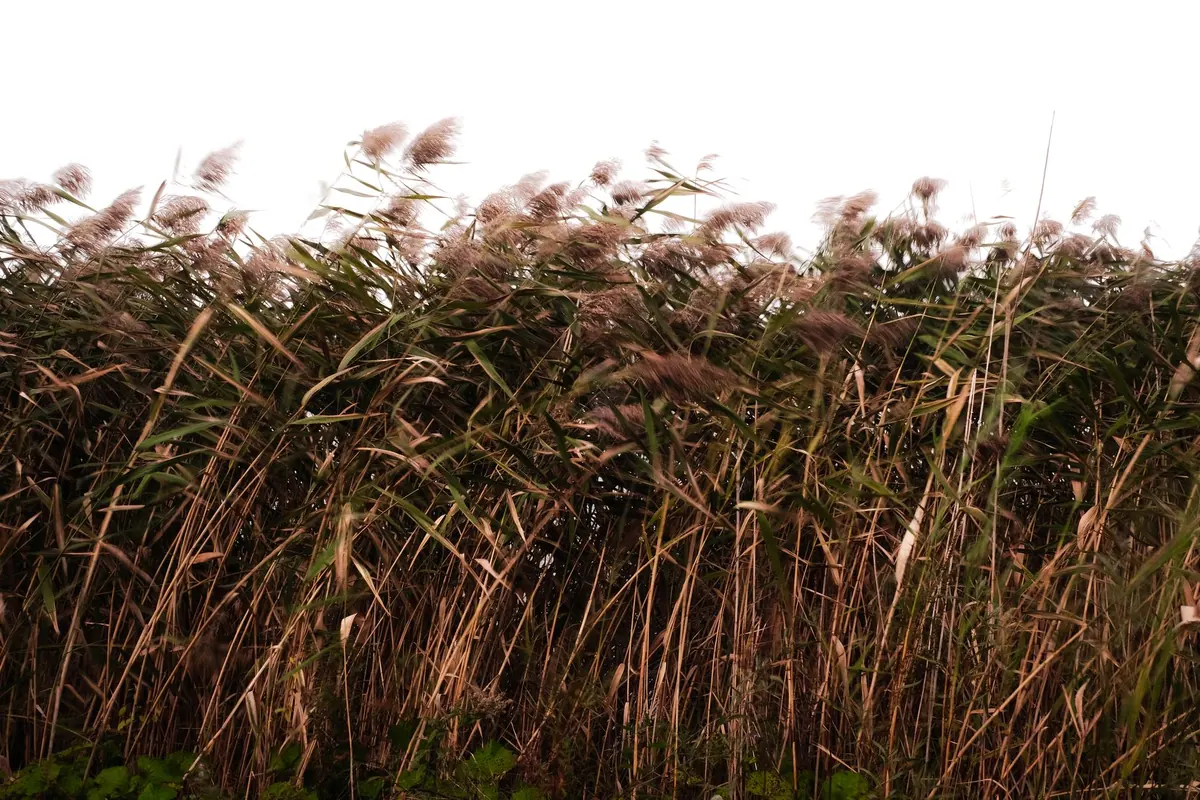
A marsh can look like nothing much: flat water, a stand of rushes, a few ducks. Stand on the boardwalk at dusk and it is tempting to treat the whole scene as decoration — pleasant background for a walk. But the water in front of you is working. It holds back flood peaks for towns downstream, locks carbon into peat that took centuries to form, and feeds a food web running from midges to marsh harriers.
Once you know what a wetland is doing, a trail stops being a route and becomes a readout. Sluices, dykes, reed cuts and water colour all start to mean something.
Wetlands are the cheapest flood storage most catchments have. A floodplain marsh behaves like a sponge laid over the valley floor: water spreads out, sits in the soil and among the stems, then drains away slowly instead of racing downstream. Rough vegetation does the rest, acting as a brake so the flood peak arrives later and lower.
Concrete defences solve one problem and create another, speeding water on to the next village. A marsh upstream gives the catchment somewhere to put it.
You can often see this from the path. A route baked hard in August may be under a foot of water in February. That is not poor maintenance; it is what the site is for.
Peat is partly rotted plant matter that never finished decaying, because waterlogged ground holds almost no oxygen. Each growing season adds a little more. A metre of peat can represent many centuries of accumulation, which is why it feels like such a slow, stubborn thing to walk across.
Drain it and the process reverses. Air reaches the peat, microbes get to work, and carbon stored over centuries returns to the atmosphere. That is why restoration so often means putting water back: filling grips and drains, raising the water table, clearing scrub that dries the ground out.
Two habits follow for walkers. Stay on the boardwalk or marked path, because bare peat compresses and erodes quickly underfoot. And keep to marked routes in spring, when wet ground is at its most fragile.
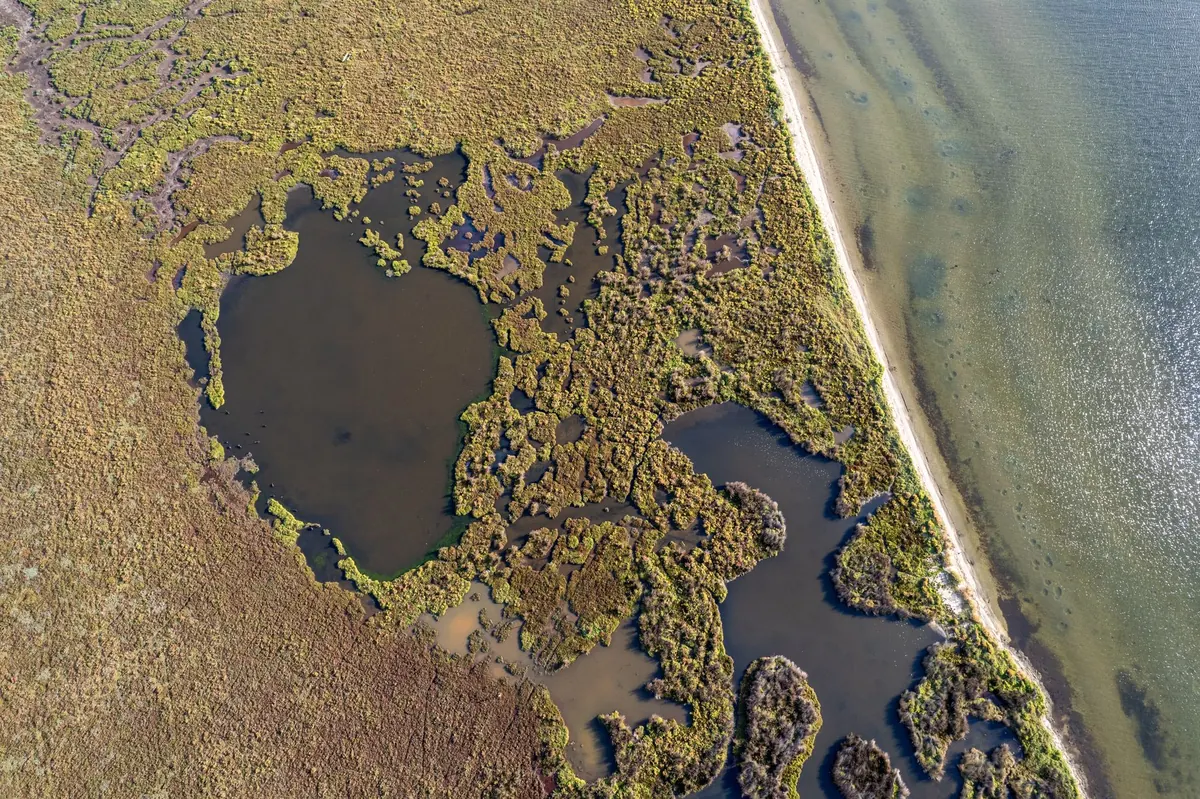
Wetlands are busy because they pack several habitats into a small space. Open water, shallow pools, reedbed, wet grassland, scrub and ditch all sit side by side — and the soggy margins between them are where most of the wildlife lives.
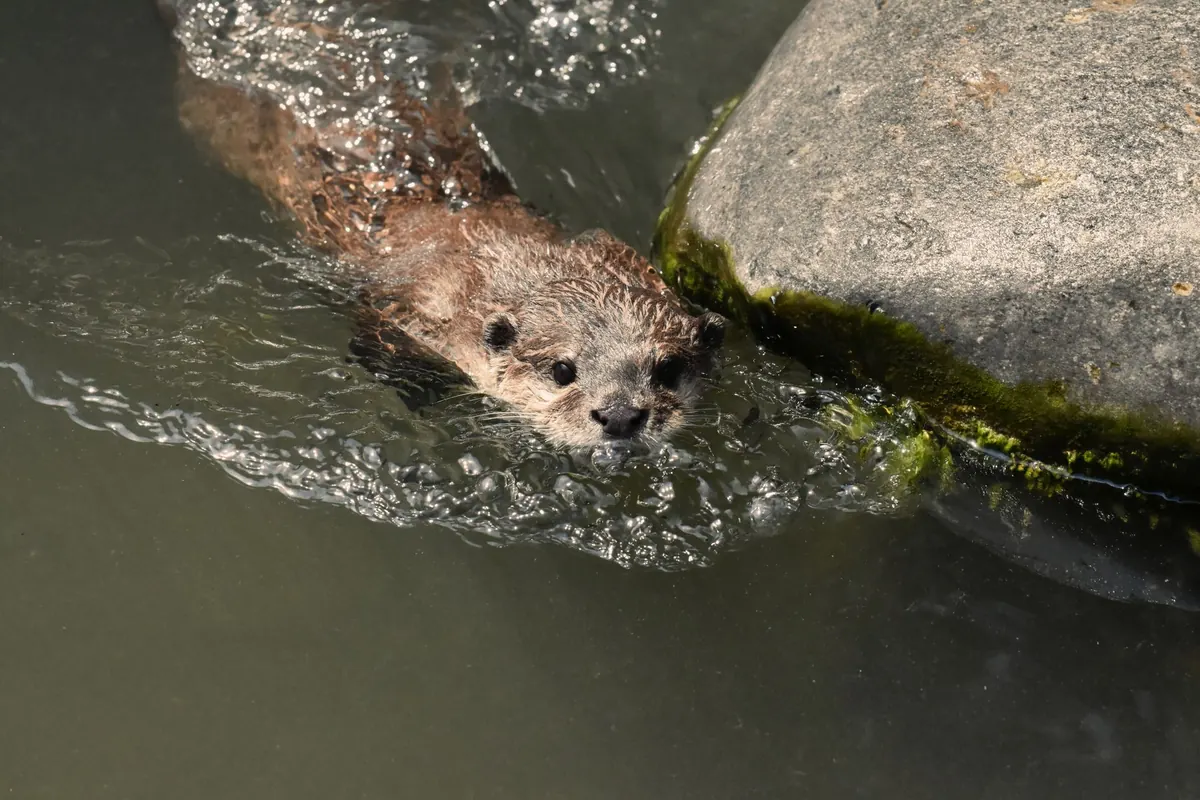
Reedbeds give nesting cover to birds that few people ever see. Shallow muddy pools feed wading birds. Ditches are corridors for water voles, amphibians and dragonflies. In winter, flooded grassland becomes a roost for wildfowl arriving from further north; in spring, the same ground is a nursery for invertebrates that feed everything above them.
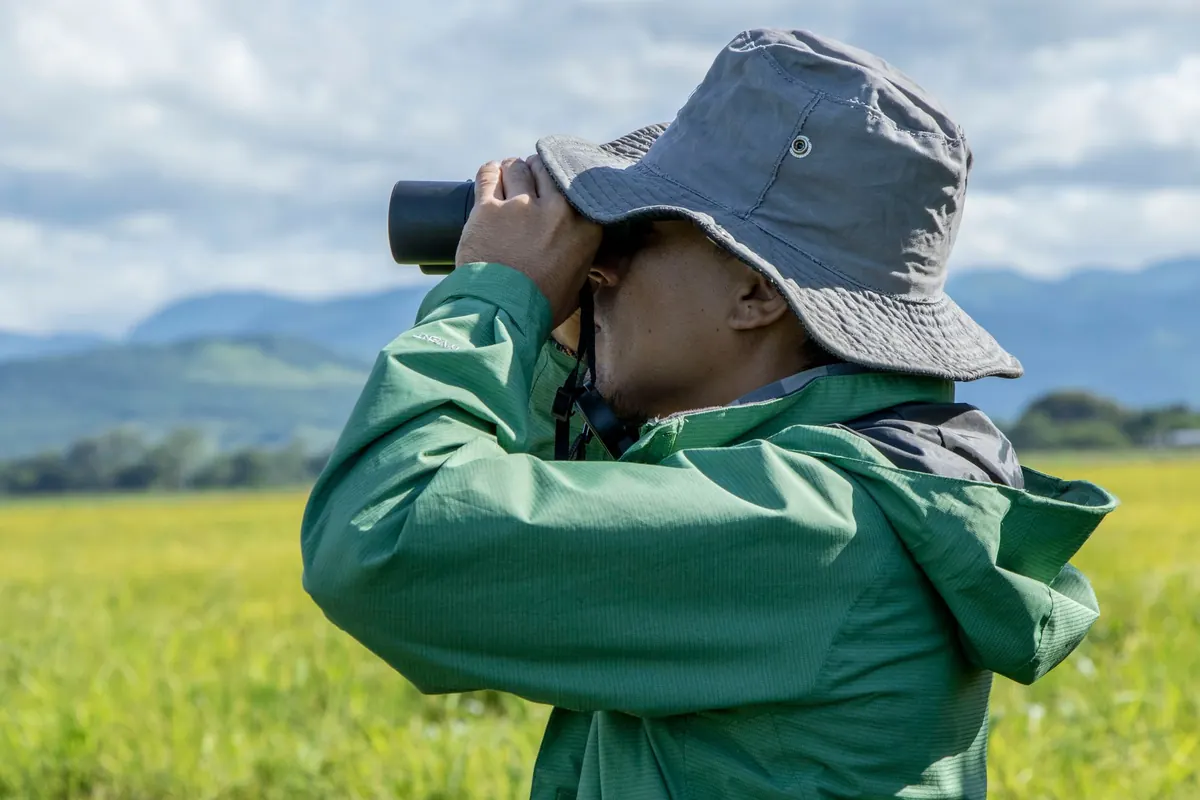
You do not need a survey licence to notice what is happening. A few things are worth watching for on any wetland trail.
Most wetlands that survive in the UK are managed rather than wild. Drainage for farming and building has taken a great deal of the original area, and much of what remains depends on pumps, sluices and volunteers. Nutrient pollution from farmland and sewage works tips the balance towards algae and away from clear water. Invasive plants and animals — floating pennywort, Himalayan balsam, signal crayfish — crowd out native species. On the coast, saltmarsh is squeezed between rising seas and fixed sea walls, with nowhere to move inland.
That is not a reason to despair. Wetland creation and restoration is one of the more achievable kinds of habitat work: give water somewhere to sit, keep nutrients down, and life arrives surprisingly quickly.
Small choices add up on a wetland.
Wet
Photo: Richard Pan / Pexels
Exploring wetlands, one trail at a time..
Copyright © 2026 Marsh Path. All rights reserved. Marsh Path.