October 08, 2026


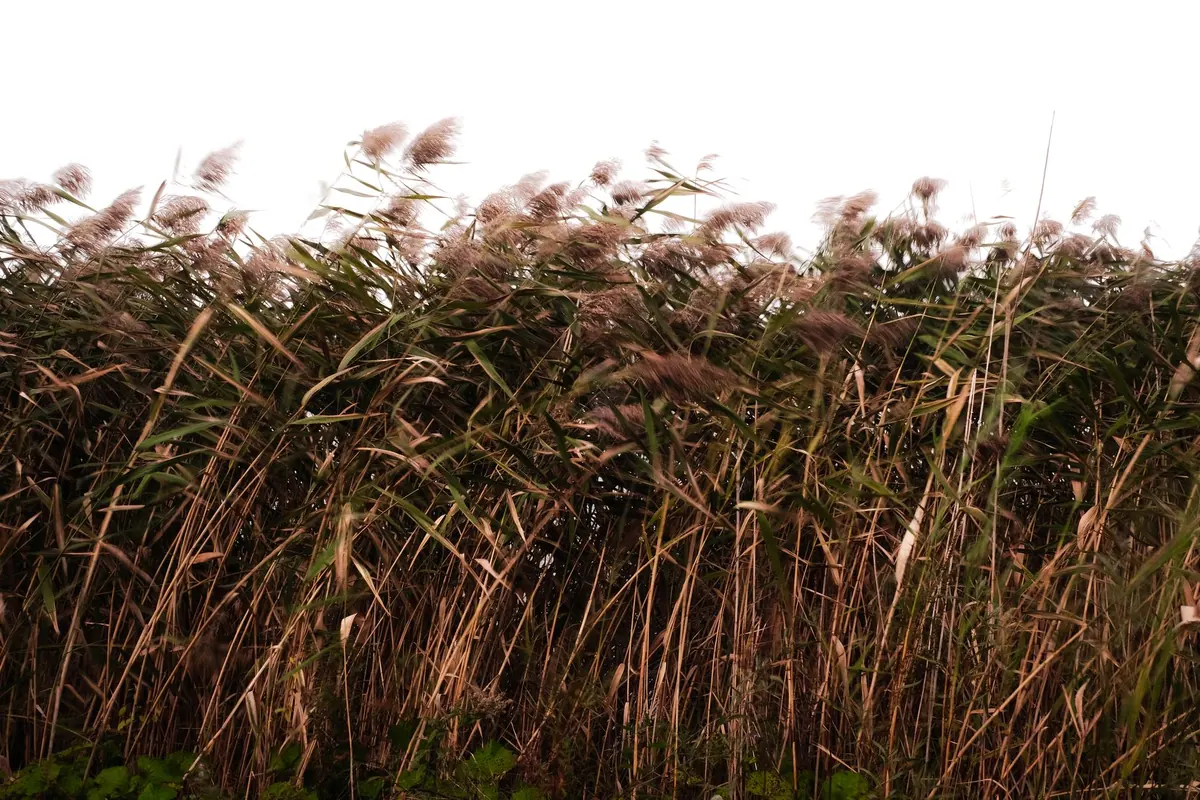
A winter marsh looks shut for business. The reeds have gone the colour of wet straw, the paths squelch underfoot, and the light arrives late and leaves early. Yet cold weather does something useful: it concentrates birds. Open water shrinks to a handful of unfrozen pools, food is scarce, and everything that needs to feed does so in the same few acres. Walk quietly in January and you can see more in an hour than in a whole morning in June.
What follows is how to stay comfortable while the temperature drops, and what to look for once you are standing still.
Winter changes the ground itself. A boardwalk that was firm in September may sit under a foot of water, and grazing marsh can freeze on top with soft mud beneath: the crust breaks and you go in to the knee. Ring the reserve or check its website and social feeds the day before you travel. Closures after storms or long spells of rain are common, and a locked gate is a long walk back to the car.
On estuary marshes, tide tables matter more than the weather. Rising water can cut off a route that was passable an hour earlier, so ask locally which paths are tidal and note the height of the tide, not just the time. Never test ice, however solid it looks. Reeds and banks hide deep, cold channels.
Daylight is the other limit. In midwinter you may have seven usable hours, so plan the walk to finish within half an hour of sunset, and carry a headtorch regardless.
Wetland cold is humid cold. It settles into fabric and stays there, which is why three working layers beat one thick coat.
Adjust before you sweat. Open vents while you walk, then add layers the instant you stop. Standing still behind a telescope for twenty minutes is far colder than moving at the same temperature.
Wellingtons with a proper tread cope with mud and shallow floodwater; waterproof walking boots with gaiters suit longer, drier routes. Add a walking pole for slick boardwalks and awkward stiles, and a sit mat if you use hides. A flask, water and a snack make a real difference when the walk runs longer than planned.
Two small items pull their weight: a headtorch and a dry bag for phone and notebook. Keep spare socks and shoes in the car. Cold feet on the drive home are entirely avoidable.
On a winter wetland, birds arrange themselves by depth. Learn the zones and you will spend less time scanning empty water.
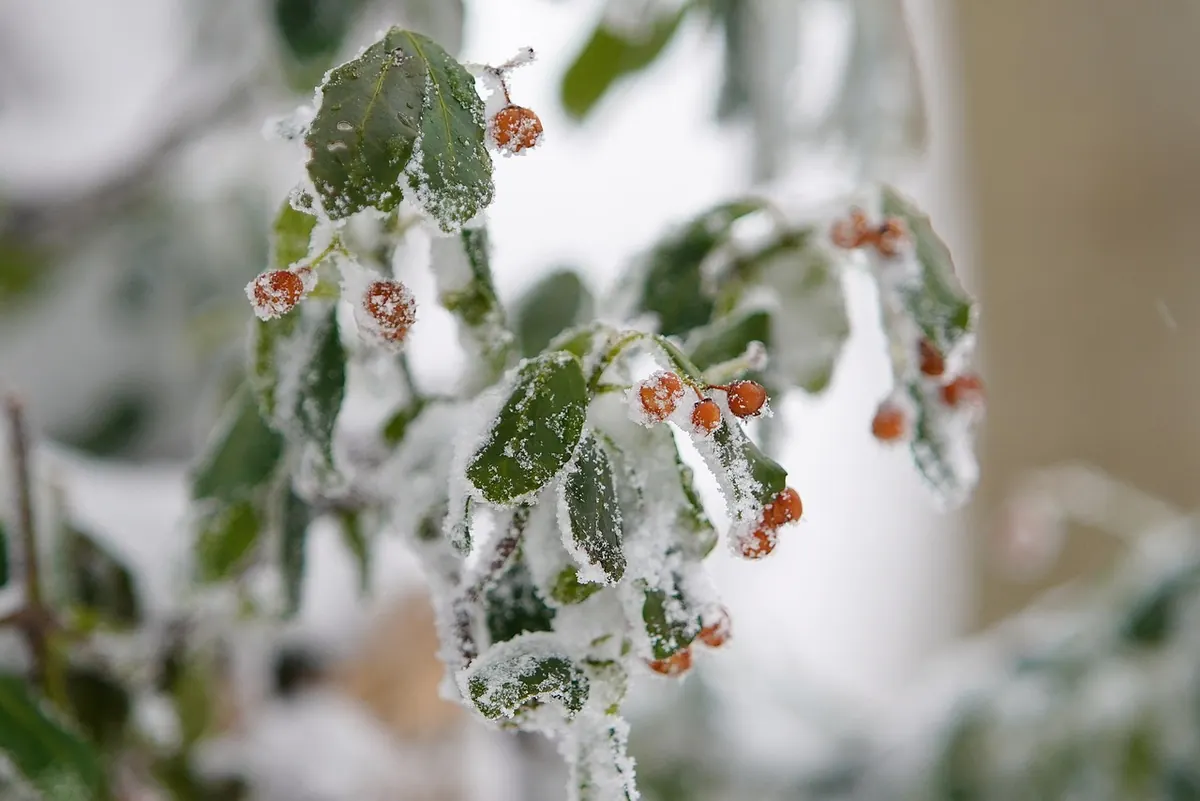
Any unfrozen patch is a magnet, and so is the thin line where ice meets open water. Scan those edges first, then work outwards.
Do not ignore the hedgerows on the way in. Mixed flocks of fieldfares and redwings stripping berries are one of the quiet pleasures of a cold morning.
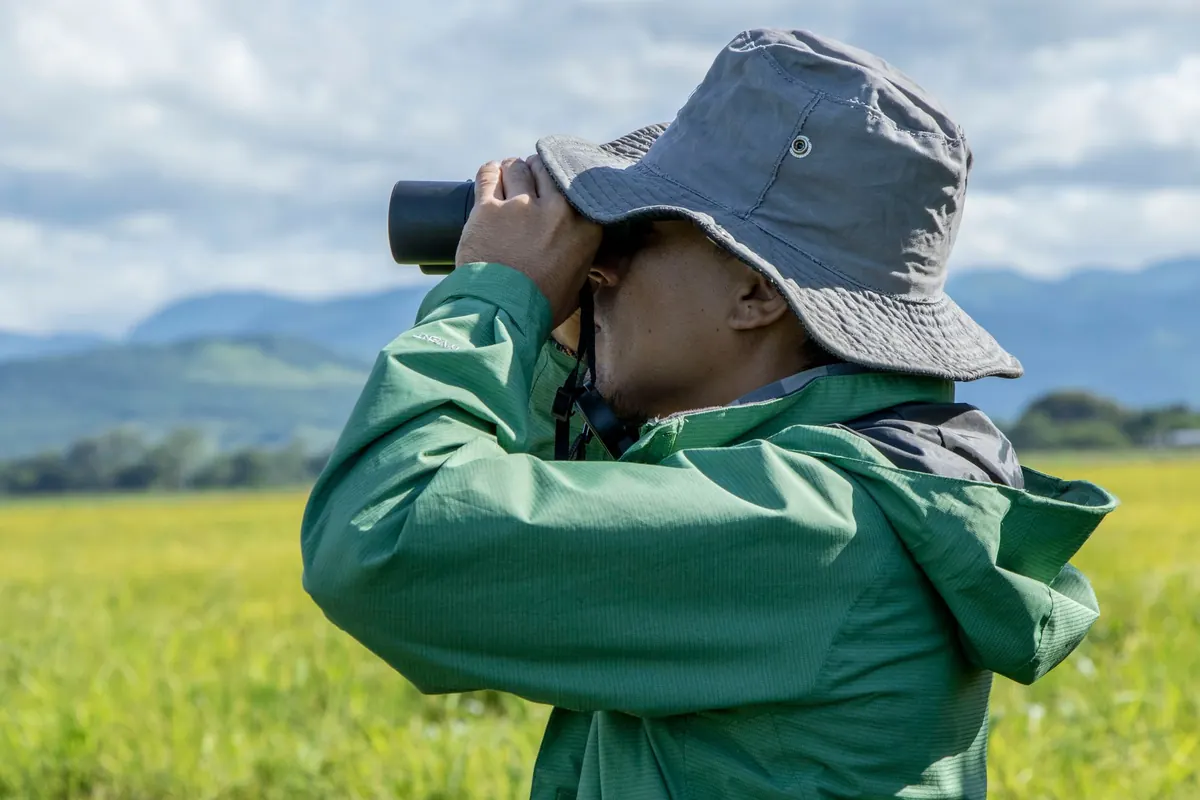
Disturbance is the one thing you control. Wintering birds live on tight energy budgets, and every unnecessary flight costs calories they may not replace before dusk. Walk slowly, stop often, and use hedges, hides and reed screens rather than open ground. Scan with binoculars first and bring the telescope up second. Keep voices low, and be aware that crisp waterproofs and a shoulder strap can be heard from thirty metres on a still day.
If a flock lifts as you approach, you have pushed too hard. Stop, let them settle, and let the birds drift back towards you. Ten minutes of patience beats twenty minutes of chasing.
Dusk is when a winter marsh gives its best. Harriers drift in over the reeds, wigeon flight back from the fields, and the cold air carries sound further than you expect. Stay until the light goes amber, then leave with a margin. Headtorch on, gates closed, and a note in your phone of what you saw and where the ice sat, so the next visit starts faster.
Cold and wet weather is a genuine risk, not a character test. If you or a companion becomes very cold, shivery, clumsy or confused, stop, get out of the wind, add dry layers and a warm drink, and seek help promptly — severe hypothermia is a medical emergency rather than something to walk off. Anyone with a heart or lung condition, or heading somewhere remote and tidal, should take proper advice before setting out.
Photo: ajs1980518 / Pixabay
Exploring wetlands, one trail at a time..
Copyright © 2026 Marsh Path. All rights reserved. Marsh Path.