October 08, 2026


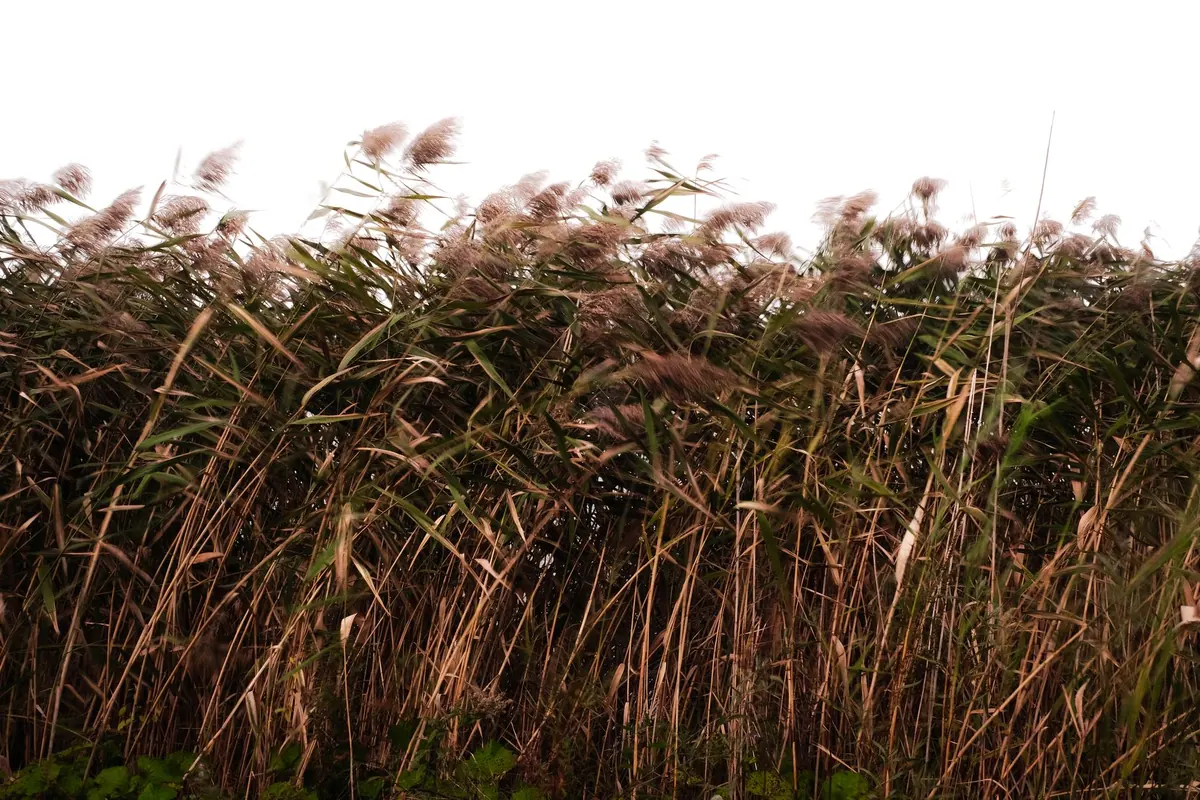
A reedbed in February is not silent. There is the creak of stems in the wind, the clatter of a cutter bar somewhere behind the bank, and the low boom of a bittern carrying across the water. What looks like wildness is usually the result of work: sluices opened and closed, blocks of reed cut on rotation, willow pulled out by hand. Restoration is a long series of small decisions, and the people walking the trail are part of how those decisions turn out.
Before planting, before cutting, before anything photogenic, comes hydrology. Most lowland wetlands were drained for farming, peat extraction or flood defence, and the first job is getting water back onto the site and holding it at the right level. In practice that means sluices, bunds, low embankments and a ditch network that can be adjusted through the year rather than a straight, over-deep channel that flushes everything away in a day.
Water quality matters just as much as quantity. Nutrient-rich water feeds algae and rank, fast-growing vegetation that crowds out the specialist plants a fen depends on. Cleaner water often arrives by changing what happens upstream — buffer strips beside a ditch, fewer straight runs of hard-edged drainage, more places for silt to settle before it reaches the reserve.
If you have ever stood on a trail and seen a wooden sluice gate with a windlass handle and a rising board, you have seen restoration hardware. Somebody checks that gate weekly.
Reed is a pioneer of wet ground. Left alone, a reedbed gradually dries out as leaf litter builds up, and willow, birch and bramble move in. Within a couple of decades you have scrub with a few reeds underneath it, and the birds that need dense standing stems move on.
So reed gets cut, usually in blocks on rotation. A typical reserve might cut a third of its reedbed each winter, leaving the rest standing, and the blocks shift around the site over the years. The cutting is done in winter when the reed is dormant, ideally on frozen ground or after a dry spell, because heavy machinery on soft peat makes a mess that takes years to settle.
Just as important is what happens next: the cut reed is removed. Leave it lying and it smothers the new growth beneath it while returning nutrients to the ground, which encourages exactly the coarse vegetation you are trying to hold back. Good cut reed still has value — thatch, craft material, even biomass — and on some sites the crop helps pay for the management.
Watch a well-managed reedbed and you will see untidiness in the right places: uncut margins, scattered tussocks, standing litter left through winter for invertebrates, a few dead stems by the water's edge for insects to shelter in. The reedbed edge is often the richest strip of the whole site, so it is usually the last place cut and the first place left alone during the nesting season.
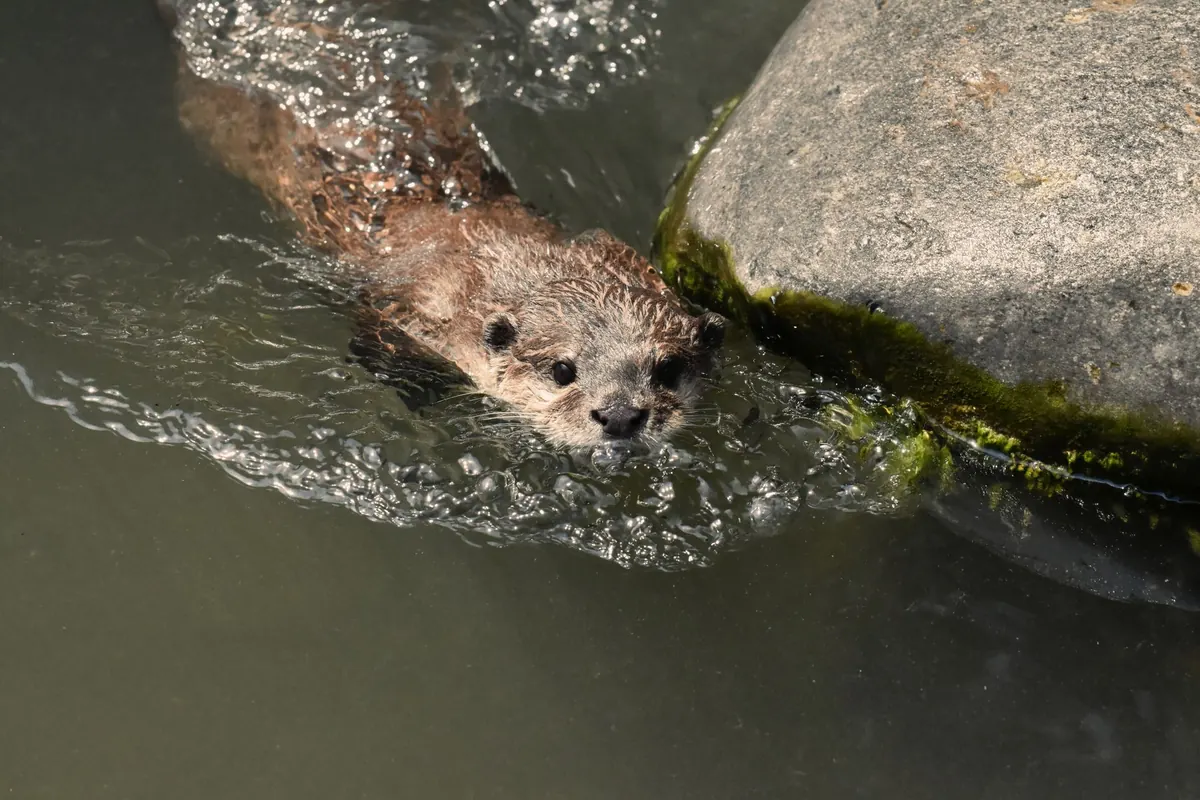
A handful of plants can undo years of work. New Zealand pygmyweed and floating pennywort spread rapidly in shallow water and form mats that block light. Himalayan balsam colonises damp banks and dies back in winter, leaving bare soil to wash into ditches. Non-native animals cause their own problems: American mink take water voles and nesting birds, and signal crayfish alter the whole invertebrate community of a pond.
Control is patient, physical and often repeated: survey, hand-pull, cut before seeding, graze, sometimes treat under licence. On protected sites, work of this kind normally needs agreement with the statutory conservation agency, and methods vary from place to place.
This is where visitors come in directly. Fragments of pygmyweed, seeds of balsam and even damp mud from another wetland can travel in boot treads and on tyre treads. Check, clean and dry is not a slogan invented to spoil a day out; it is the cheapest conservation measure available to anyone.
Cattle and native ponies are a management tool as much as a feature of the view. Light grazing opens up tussocky grassland, creates bare patches of mud that invertebrates and wading birds use, and keeps scrub from closing in. Push the numbers too high and you get poached banks and dung-rich water; too low and the site roughens and dries.
Beyond the boundary, restoration keeps going. A reserve cannot be healthy if the ditch feeding it arrives loaded with silt and nutrients, which is why catchment partnerships, farm advice and upstream pond creation matter as much as anything happening inside the gate.
A well-sited path is conservation infrastructure. It concentrates footfall on a boardwalk or a raised surface, keeping the fragile margins, nesting zones and soft peat intact. Seasonal diversions and winter closures exist for the same reason: a route that is fine in August can be a disturbance problem in April.
Where trails fail is at the edges. A desire line cut across a reed margin takes out the cover that bearded tits and reed warblers use. A dog off the lead in shallow water flushes birds and disturbs water voles. A drone sends wintering wildfowl up off the water, burning energy they cannot spare in cold weather. None of this is dramatic on a single visit; all of it adds up across a season.
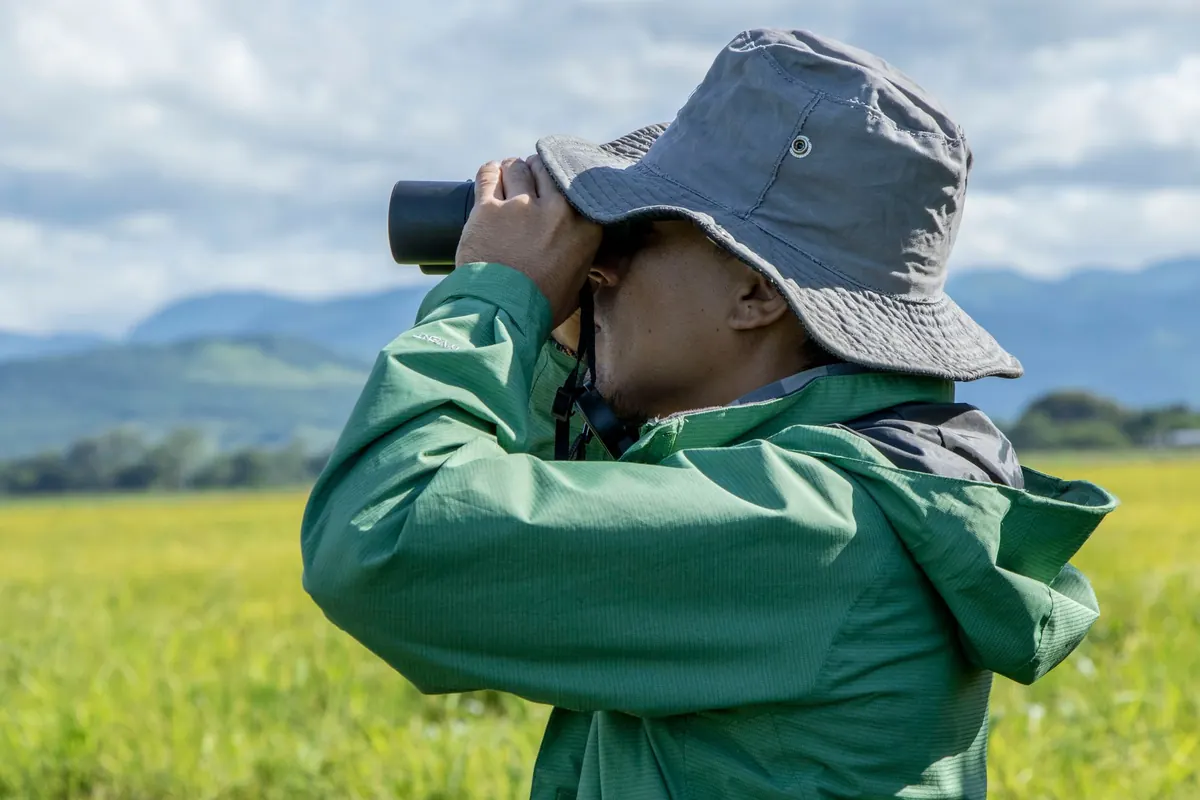
You can often tell whether a site is being managed well from the trail. Clear water with submerged plants, a mix of open water and dense reed, dragonflies patrolling a sunny edge, latrines of water vole droppings on a bank, reed buntings flicking between stems — these are signs of structure and clean water. So are the visible blocks of cut reed, which usually show up on a map as a patchwork of straightish lines. A boom from somewhere deep in the stems in spring is the best reward of all.
Plan around the seasons rather than against them: visit in winter for wildfowl and cut reed, in late spring for song and nesting activity, and accept that some paths will close when the birds need them. Arrive with clean boots, keep the dog close, take your litter home and buy the tea and the guidebook if there is one — visitor income and membership keep sluices working and machinery fuelled.
Then do the thing that matters most: tell someone what you saw. A note in the sightings book or a message to the reserve about a species you did not expect takes two minutes and can shape next winter's management plan. Conservation in a wetland is rarely dramatic. It is a gate checked weekly, a block of reed cut on time, and a walker who stayed on the boardwalk.
Photo: Aymerik Grenier / Pexels
Exploring wetlands, one trail at a time..
Copyright © 2026 Marsh Path. All rights reserved. Marsh Path.