October 08, 2026


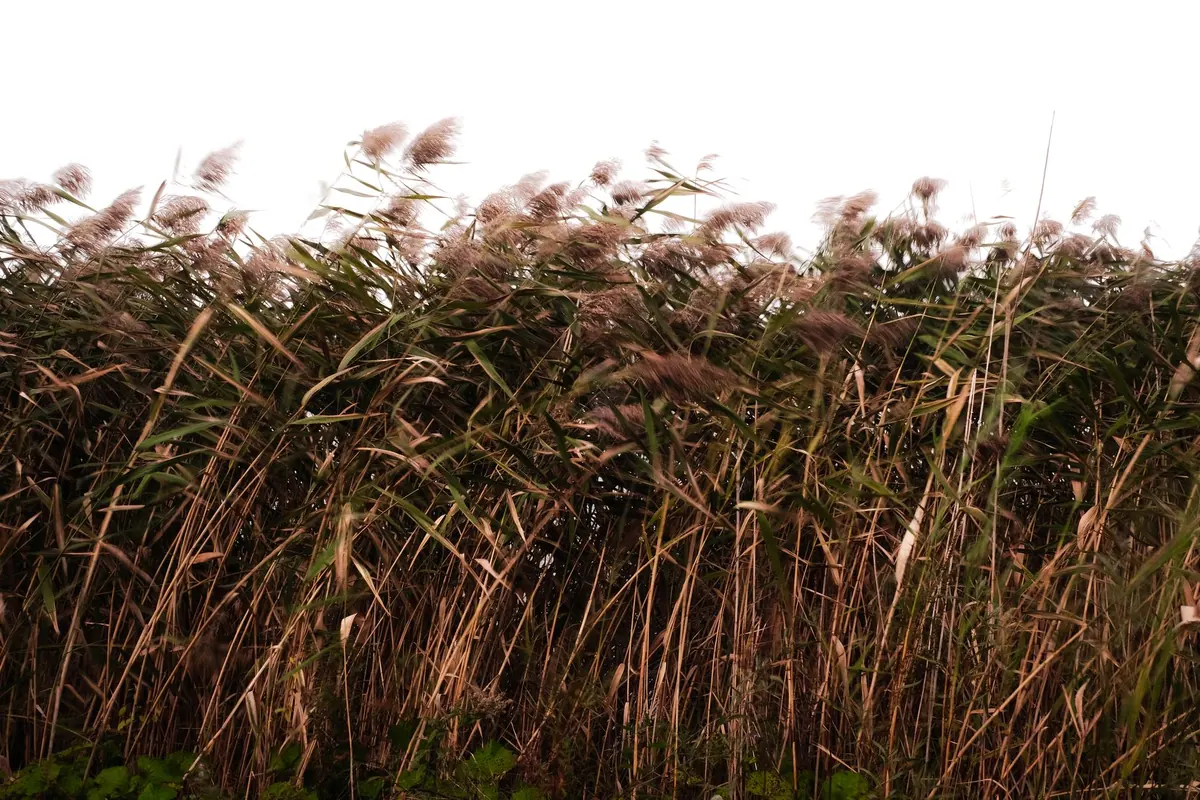
Reedbeds at dawn, a rising tide pushing waders onto a muddy spit, a flash of blue along a dyke — wetlands give you birds in the open, in good light, and often close enough to watch properly. That makes them the ideal training ground for anyone new to birdwatching. The kit is simple, the techniques are learnable in a morning, and the rewards come quickly. Here's how to start.
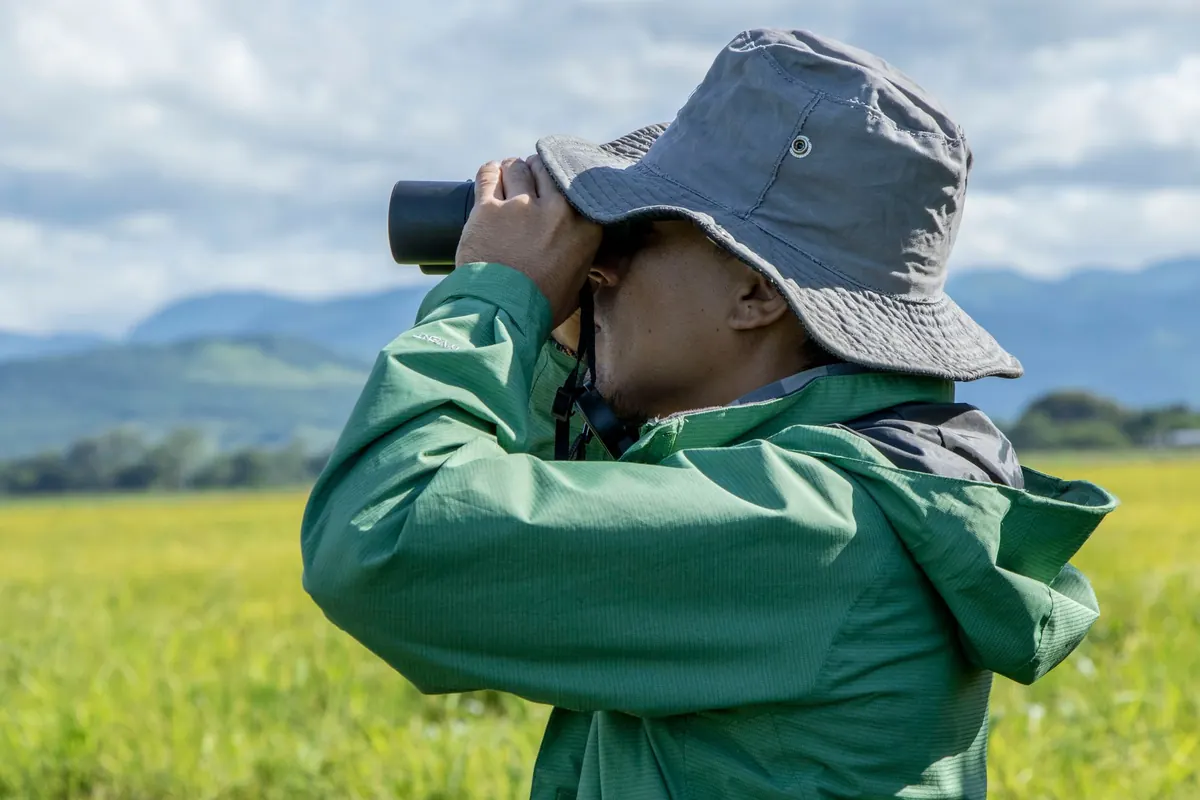
You don't need to spend a fortune, but you do need a pair that suits your eyes and your neck. Binoculars are described by two numbers: magnification first, then the diameter of the front lens in millimetres. An 8x42 pair is the standard all-round choice — bright enough for dull mornings, steady enough to hold by hand. 8x32s are lighter for long walks; 10x42s give a little more reach but a narrower view and more shake.
Secondhand optics are fine if the lenses are clean and the two barrels line up — look through them at a straight edge and check it doesn't split or double. A scope is a joy on an estuary but not a requirement. Add a lens cloth, a comfortable strap and a small notebook, and you're set.
Birds read movement and shape. A figure that appears suddenly at the water's edge will clear a lagoon; the same figure ambling along a hedge, stopping often, causes far less alarm.
Wetlands are fragile places, too. Keep to paths and boardwalks, keep well back from nesting birds in spring, keep dogs on a lead, and don't use recorded calls to pull birds closer. Disturbance costs them energy they can't spare.
The first two hours after dawn are the busiest; the last hour before dusk runs it close. On estuaries the tide matters as much as the clock — waders feed on exposed mud at low water and are pushed into view as it rises, so the two hours either side of high tide are often the best of the day.
Weather-wise, settled, overcast and light wind is ideal. Bright sun brings heat shimmer off the water; a stiff breeze makes everything restless and hard to hold in the binoculars. A cold snap can concentrate wildfowl onto the few patches of open water, and the days after a gale sometimes bring something unexpected in from the coast. Winter gives you the greatest numbers of ducks, geese and waders; spring brings warblers into the reeds; autumn is passage, when almost anything can turn up.
Learn a dozen species properly and the rest of the wetland starts to make sense. These are the ones you're most likely to see on a British reserve.
Work through four questions in order. How big is it compared with something familiar — a mallard, a pigeon, a sparrow? What is it doing: dabbling, diving, probing mud, catching flies from a reed stem? What pattern can you see: head colour, bill shape, leg colour, wing bar? And what does it sound like?
Calls are the shortcut. Reed warblers chunter, sedge warblers scratch and gabble, Cetti's warblers explode from a bush and then go silent. A good share of the birds you record on a wetland morning you'll identify by ear, so it's worth playing a few songs at home before you go.
Don't chase a bird you're unsure of. Watch it for as long as it stays, then write down what you saw while it's fresh: size, shape, behaviour, colours. A written description beats memory a day later.
Above all, be comfortable. Warm layers, a flask, boots that cope with mud, and binoculars you actually enjoy using. A morning that feels pleasant will be repeated, and repetition is what turns a beginner into a birder.
Photo: Daly Selva Lira / Pexels
Exploring wetlands, one trail at a time..
Copyright © 2026 Marsh Path. All rights reserved. Marsh Path.