October 08, 2026


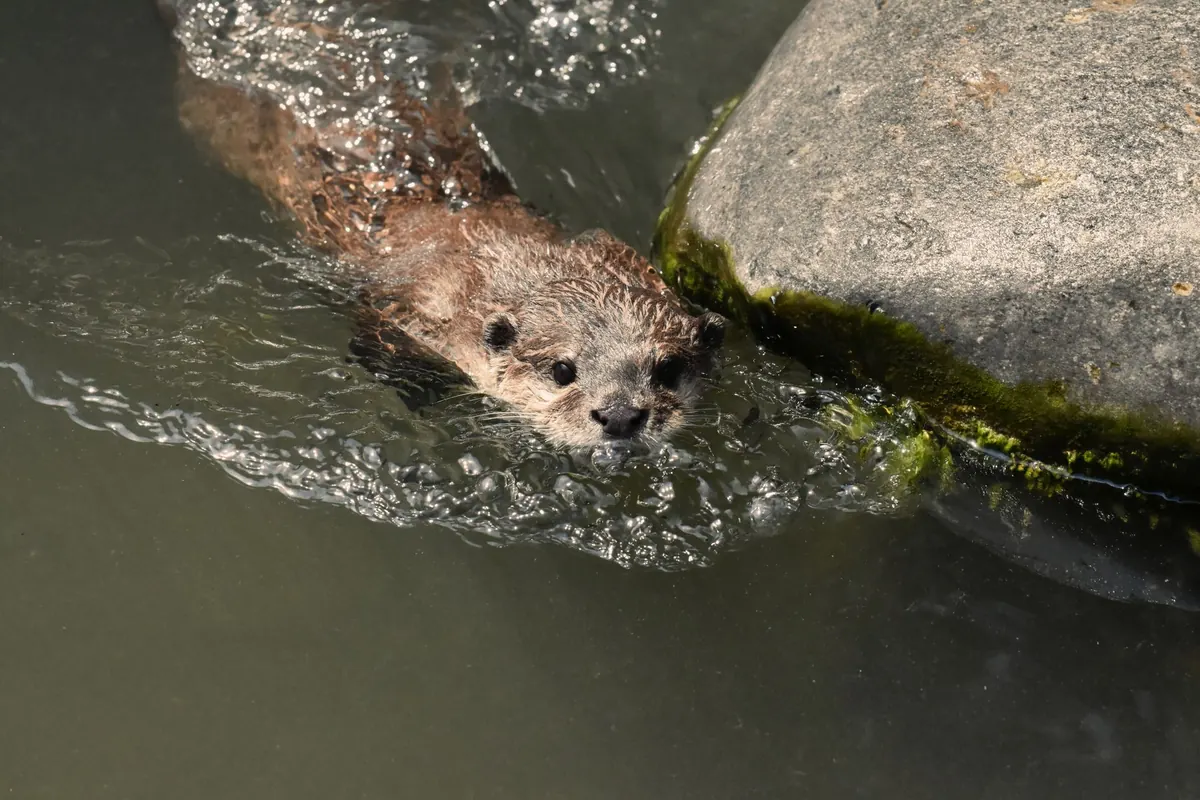
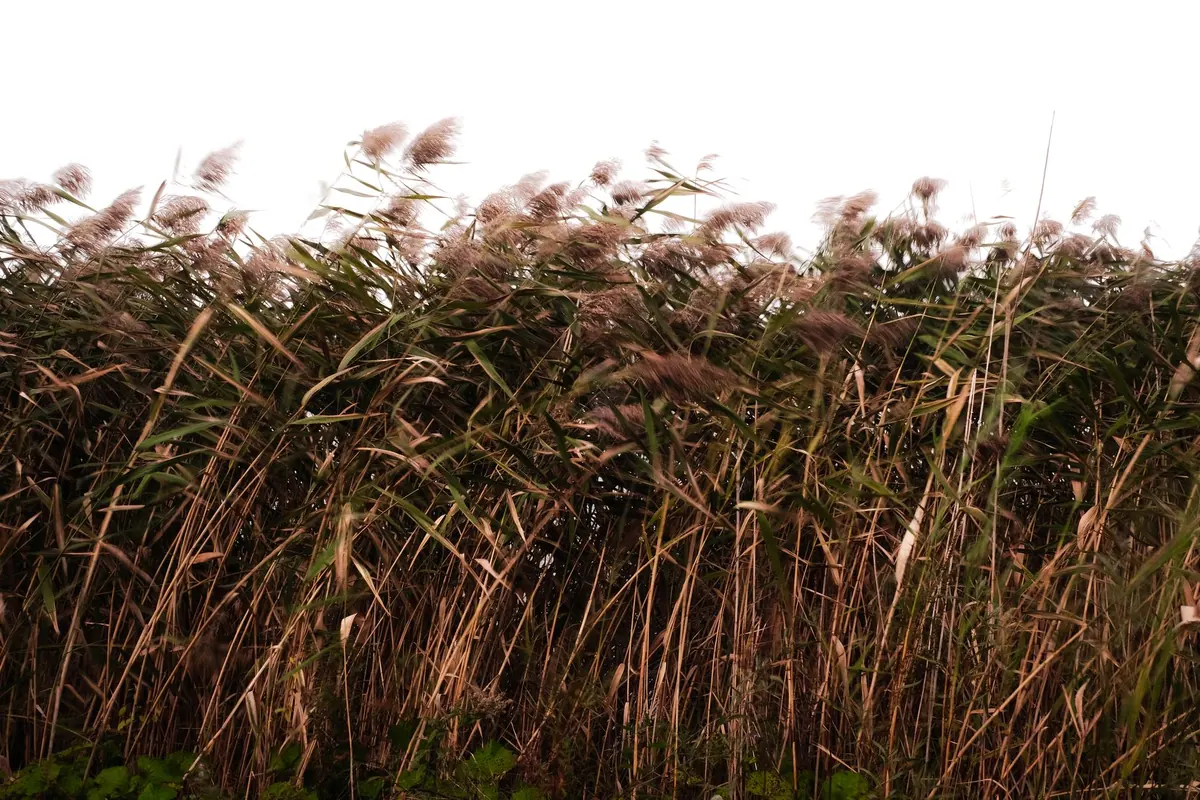
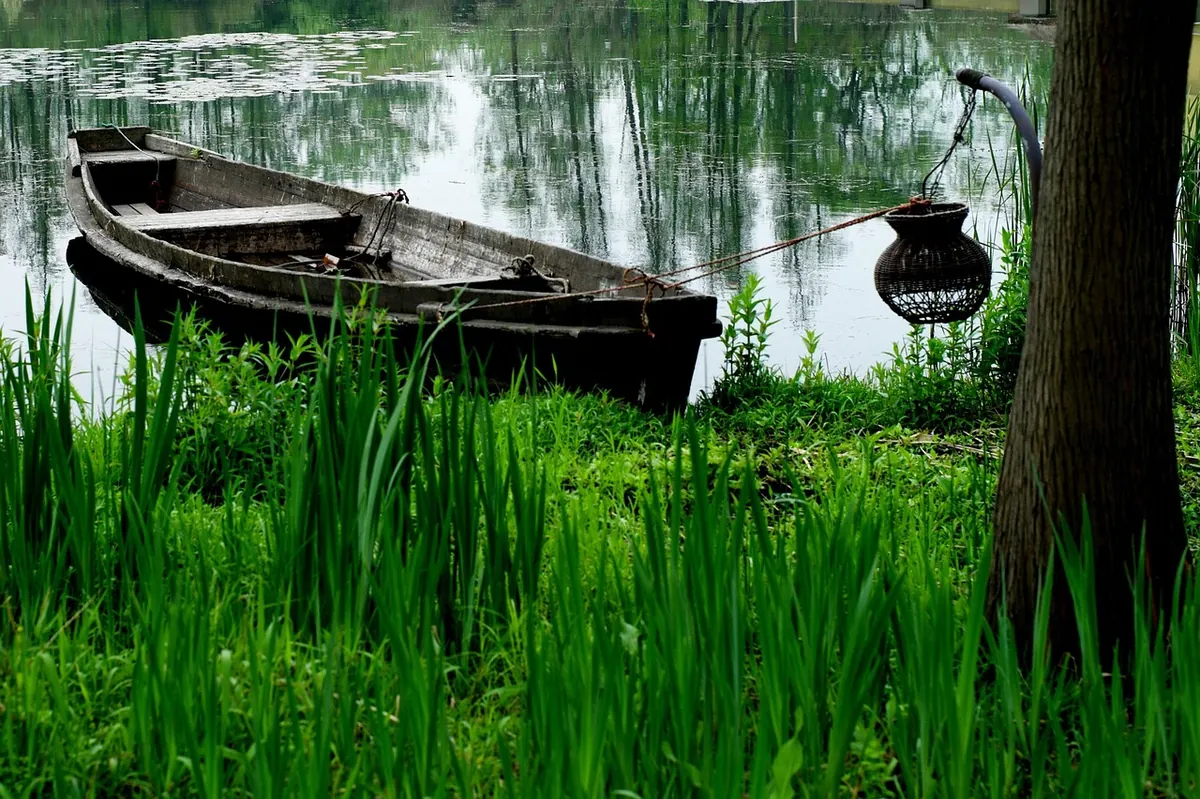
The Broads look like somewhere you need a boat to understand. You don't. Some of the best moments here happen on foot, standing still: a marsh harrier flopping low over the reeds, a bittern booming from somewhere you can't quite place, the slap of water against a wooden staithe. Most of these encounters are a fifteen-minute walk from a car park, and several are on level boardwalk you could manage in trainers.
What follows is a practical guide to short trails, hides and logistics around the Broads, aimed at anyone who wants a good two or three hours outdoors rather than a full-day expedition.
You can build a satisfying day from three or four short walks rather than one long haul. Start with these.
Just outside Norwich on the Yare, Whitlingham has wide, mostly surfaced paths looping around the Great Broad and the Little Broad. It is the easiest place in the Broads to walk with a pushchair or a wheelchair, and there is a café and toilets at the barn. A circuit runs to roughly two miles. Go early for mist on the water and a decent chance of kingfisher.
From Ranworth Staithe, the Norfolk Wildlife Trust reserve has a boardwalk route through carr woodland to a floating visitor centre and a hide looking over open water. It is short — allow an hour to walk it slowly. Add the church tower at Ranworth for a view across the broad and the surrounding marshes; it is the best accessible viewpoint in the northern Broads.
How Hill sits above the River Ant near Ludham, with a network of short trails through woodland, reedbed and marsh pasture, plus Toad Hole Cottage, a small museum in a former marshman's cottage. This is prime swallowtail butterfly country in late May and June. Paths are uneven in places, but the loops are short, so you can turn back whenever you like.
These two Norfolk Wildlife Trust reserves are smaller and much quieter. Upton Fen has a boardwalk through fen and carr; Alderfen is a short, boggy walk to a secluded broad. Expect few people and a lot of birdsong. Parking at both is limited to a handful of cars.
Salhouse has permissive paths through woodland and along the broad edge, with a small beach and canoe hire in season. Good for families who want space to run about without disturbing anyone.
The Broads has an unusually good network of hides, and most are free to use.
Hide etiquette matters more than people expect. Keep voices down, close doors behind you, and don't stand at the front window when someone behind you is trying to use a telescope. If a bird flushes as you arrive, wait quietly; it usually comes back.
Small car parks and single-track lanes are the main practical constraint on a Broads walk. On a summer weekend, the car parks at Ranworth, How Hill and Strumpshaw can fill by mid-morning, and verges are not for parking.
Midges and mosquitoes are part of the deal from May to September, worst at dusk and in still, sheltered spots. Long sleeves and a repellent help; a breezy riverbank is the simplest solution of all.
Spring brings displaying marsh harriers, booming bitterns and a rush of warbler song. Late May and June is swallowtail season at How Hill, Strumpshaw and Upton Fen. Summer is best for dragonflies and damselflies, with young waterfowl everywhere. Autumn sees wildfowl arriving and visible migration along the river valleys. Winter is the quietest and, for many people, the best: low light, big flocks and dusk raptor roosts at Hickling and Buckenham.
Three or four miles is plenty with young children, and the easiest options are Whitlingham, Salhouse and the Ranworth boardwalk. Boardwalks have low or no edges in places, so keep an eye on toddlers near open water. For wheelchair and pushchair users, Whitlingham and the Barton Broad boardwalk are the most straightforward; older hides often have a step up at the entrance, which is worth knowing before you commit to a long walk to reach one.
Start at Ranworth or How Hill around 9am, walking slowly and stopping at every hide. Break for lunch at a riverside pub or café; the villages around Ludham, Horning and Ranworth all have somewhere. Then spend the afternoon at Strumpshaw, taking the Fen Hide loop and finishing at reception with a cup of tea. If the weather turns, the hides and Toad Hole Cottage make reasonable shelter.
Before you set out, check the reserve's own page for closures and car park notices, and check the tide if your route follows the Yare or the Bure. Take water, a waterproof, binoculars and a paper map, and leave the rest of the day loose. The Broads rewards people who sit still.
Photo: iamangela9 / Pixabay

Exploring wetlands, one trail at a time..
Copyright © 2026 Marsh Path. All rights reserved. Marsh Path.