October 08, 2026


A single reserve car park can list three routes on the same noticeboard: the boardwalk loop, the dyke path, the marsh trail. From the gate they look much alike — lines on a map, arrows on a post. Twenty minutes in, they are not alike at all. One is a dry, level amble you could push a buggy round. Another is two hours into the wind with mud over the bootlaces. Matching the route to the day, the footwear and the people you are with is what turns a walk into a good morning out.
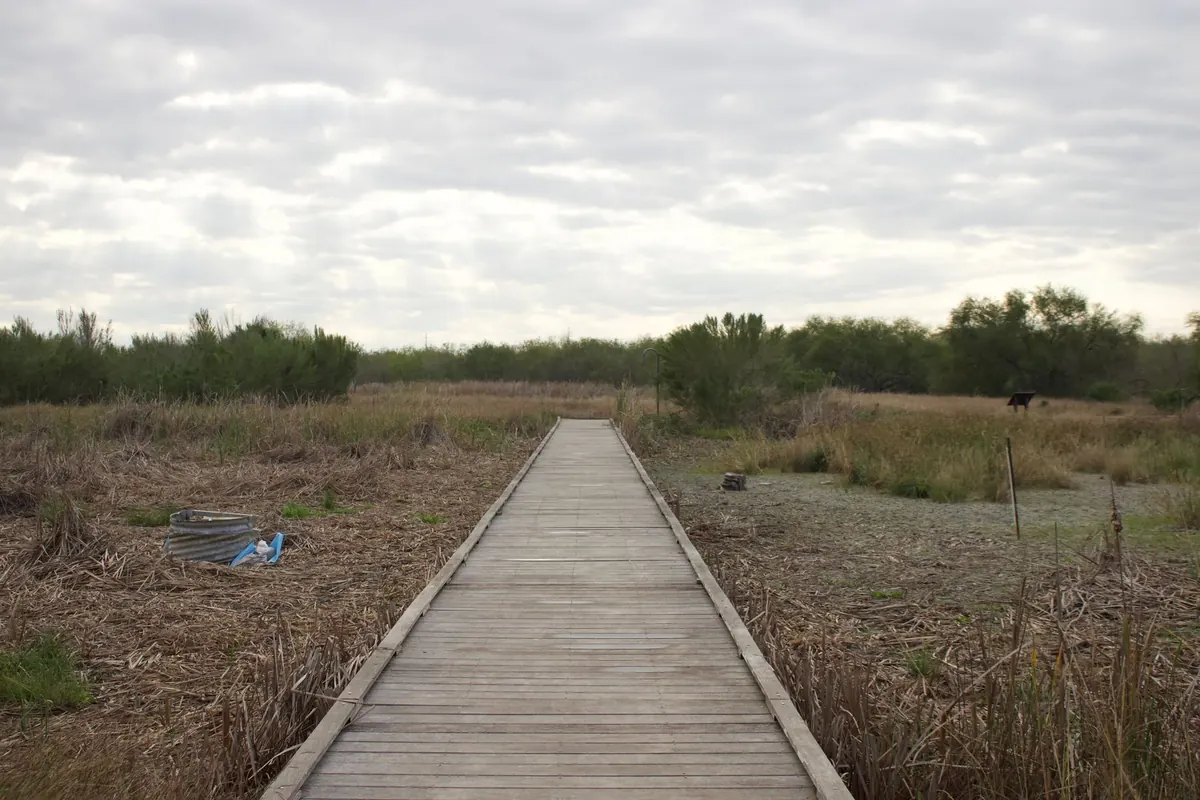
A boardwalk is raised timber or recycled-plastic decking built over reedbed, bog, wet woodland or open water. It keeps feet dry and protects fragile ground underneath. In Britain it turns up everywhere from Wicken Fen and the Norfolk Broads to small urban wetland reserves.
A dyke path is a raised bank beside a drainage channel. The names change with the county — dyke, reen, drain, lode, cut — but the shape is the same: a long grassy ridge with water on one or both sides. The Fens, the Somerset Levels and the Broads are criss-crossed with them, and many carry public footpaths.
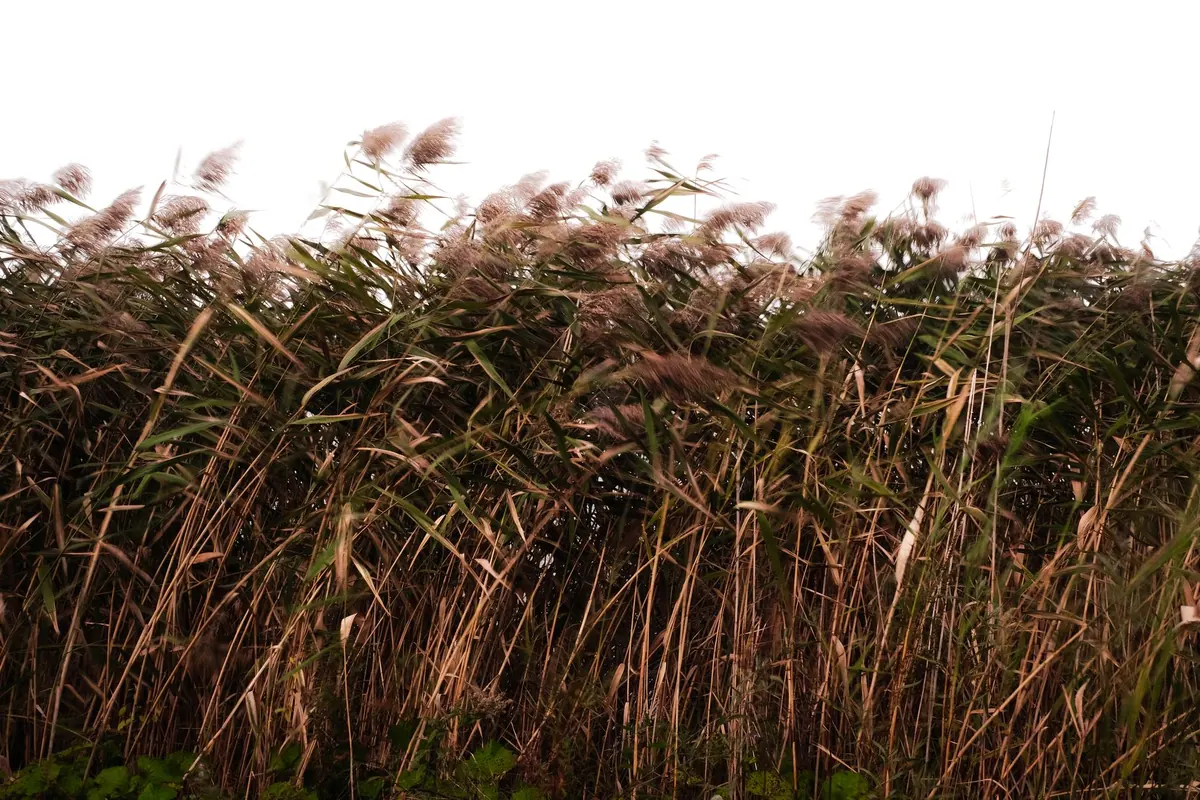
A marsh trail is a waymarked route across soft, wet ground. It might be mown grass, tussock, peat or a trodden line through reeds. It is the least engineered of the three, and the one that changes most with the weather.
Level, firm and predictable — until it is wet or frosty. Bare timber, especially smooth planks, becomes slick, as does the mesh some reserves fit for grip. Take corners slowly in winter and watch for lifted edges and gaps where decking has shifted. Width varies enormously: some sections are a metre wide with passing places, others take two people side by side.
Grass on a bank. Usually even underfoot but rarely flat, since you are walking a ridge, often one person wide, with a ditch alongside. Add cattle poaching in summer, a stile or two and a gate that opens the wrong way, and progress slows well beyond what the map suggests. The compensation is drainage: you are standing above the water table, not in it.
Expect soft ground, tussocks, standing water after rain, hidden holes and short board sections that stop without warning. Budget two to three times what the same distance would take on a firm path. A route that is dry in August can be a wade in February.
Surface and distance are separate questions, and people often muddle them. A boardwalk can be perfectly level and still be four kilometres long, with no bench and the last exit behind you. Check both before you commit, along with these:
For the honest answer on the marsh trail, ask at the visitor centre or check the reserve's recent condition updates. Those routes change weekly.
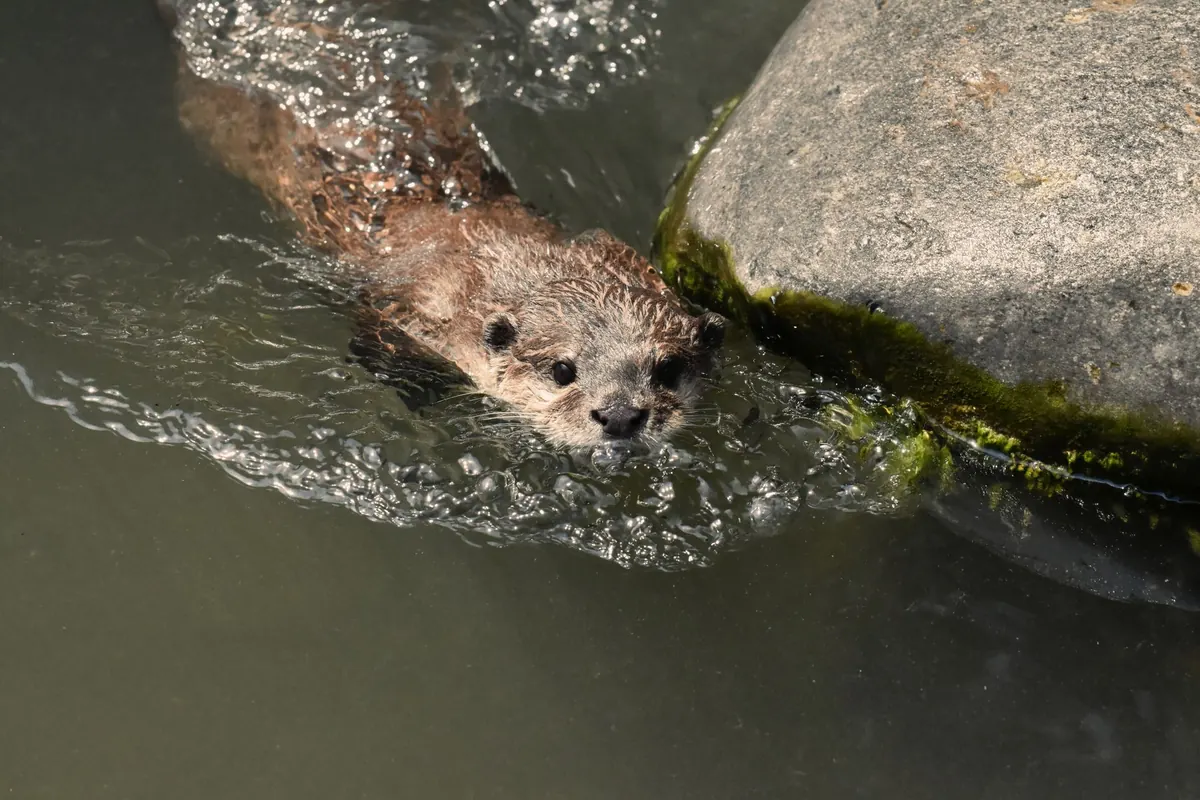
Each route gives you a different angle, literally. A boardwalk puts you low, at reed level and often right over the water — good for dragonflies, water voles, sedge warblers and close views into the margins. It is also the easiest place to stand still without sinking, which matters more than most people admit.
A dyke path lifts you above the vegetation and opens up long sightlines: ducks, geese, swans, waders and birds of prey working the levels. The trade-off is that you are silhouetted against the sky, so anything with sharp eyes sees you first. Walk slowly, keep to the inland side of the bank where you can, and use hedges and gates as cover.
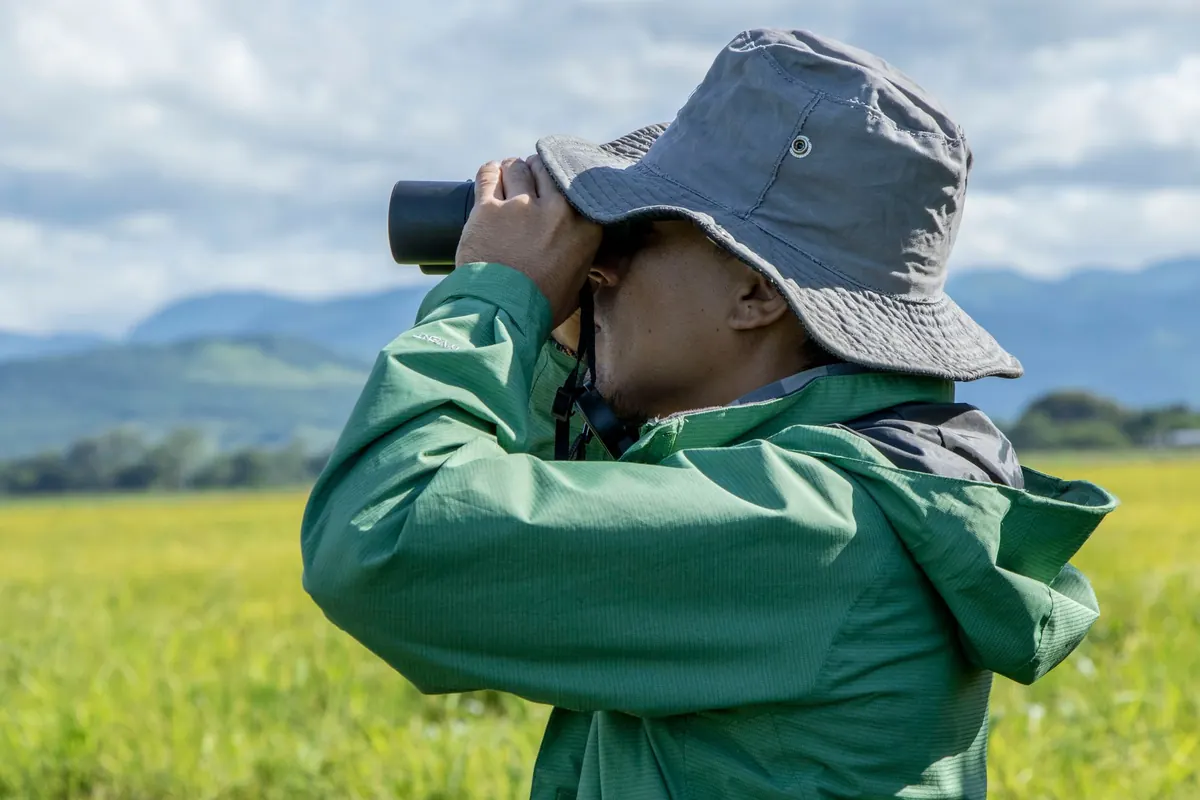
A marsh trail puts you inside the habitat, which is where snipe, reed buntings, deer and foxes live — but you disturb more and see less far. It rewards patience and quiet over ground covered. Binoculars help on all three; eight-times magnification is ample on a boardwalk loop, while ten-times suits a big dyke system.
A useful rule of thumb: if the first fifty metres of a marsh trail are over the boot top, the middle will be worse.
Match the route to the weather and the company rather than the other way round. A damp, blowy morning with young children or a pushchair: take the boardwalk loop and finish in a hide. A crisp winter day with an hour spare and decent boots: a dyke path gives you big skies and distant wildfowl with dry feet. Warm, still and unhurried: the marsh trail is worth the mud, provided you go slowly and take the poles.
On wetland reserves, the route sets your pace, your viewpoint and your kit list. Decide all three before you put your boots on.
Check the reserve's website or entrance noticeboard for closures, and ring ahead if you need step-free access or want to know the state of the marsh trail this week. Photograph the trail map at the gate, because signal out on the levels is patchy at best. In summer, cover up against ticks in long grass, and if you feel unwell after a bite, speak to a pharmacist or your GP.
Keep to the marked line on soft ground, take litter home and shut gates behind you — many of these routes cross working land and fragile habitat. Then walk slowly. The best wetland wildlife encounters usually happen to the person standing still, not the one covering the distance.
Photo: Omar Castro / Pexels
Exploring wetlands, one trail at a time..
Copyright © 2026 Marsh Path. All rights reserved. Marsh Path.